Economic and Programmatic Impacts of Virginia Housing

This report details the outputs, economic impacts, and outcomes of the work of Virginia Housing for the state’s economy and households.

Virginia Housing and the research team hope that the details discussed here encourage more households, communities, organizations, and companies to connect with Virginia Housing and continue the growth, reach, and improvement of Virginia Housing’s services. Although the agency ranks among the top state housing finance agencies in terms of economic impact, similar studies show that there is still room to grow. Furthermore, widespread housing shortages and ever-increasing housing costs make the extensions and growth of Virginia Housing’s activities timely and necessary.
Read the full report here

Pocket-Sales Ban and the NVAR Region

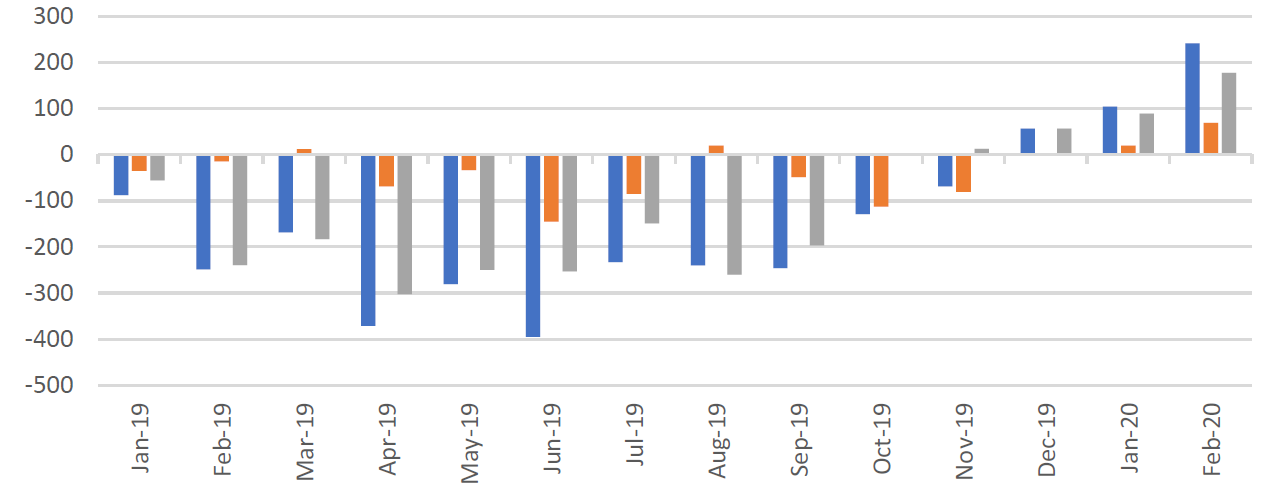
The Center for Regional Analysis has been watching inventory listings closely in early 2020 given the implementation of a new rule banning off-mls sales, or “pocket sales”. In this report, we examine the early impacts of the new rule.

Link to the Full Report

Regional Economic Indicators

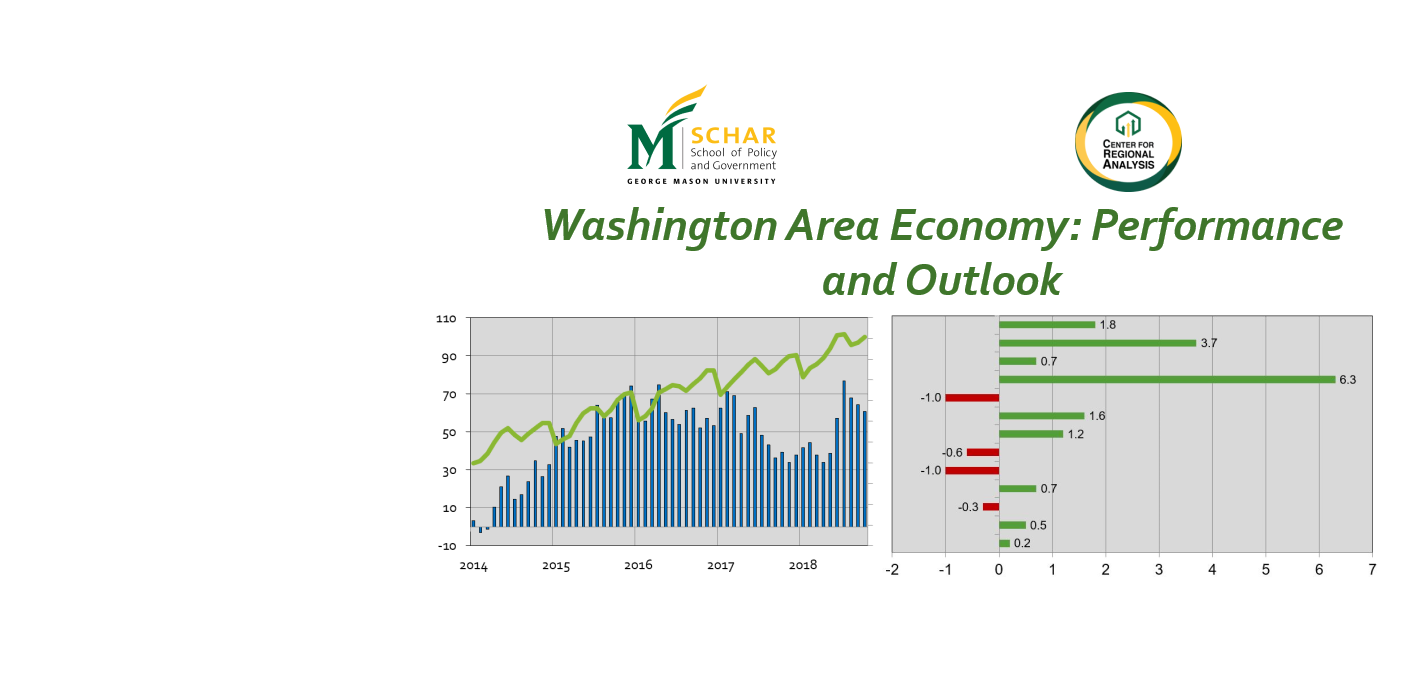
The Center for Regional Analysis routinely updates data that provide a greater understanding of what drives the Greater Washington regional economy.

View the current set of indicator data charts here 

CRA produces more than 60 charts and graphs summarizing trends in the national and regional economies and housing markets.  Data elements include gross domestic product, jobs, unemployment, consumer confidence, coincident and leading indices, interest rates, sales of existing and new homes, home prices, and regional economic forecasts, among many other categories. CRA develops information concerning both the overall regional economy and focused/select economic and housing data for Northern Virginia, Suburban Maryland, and the District. This set of charts is updated when new data are released.

Foreign Born, Non-Citizen Workers in the Washington Region

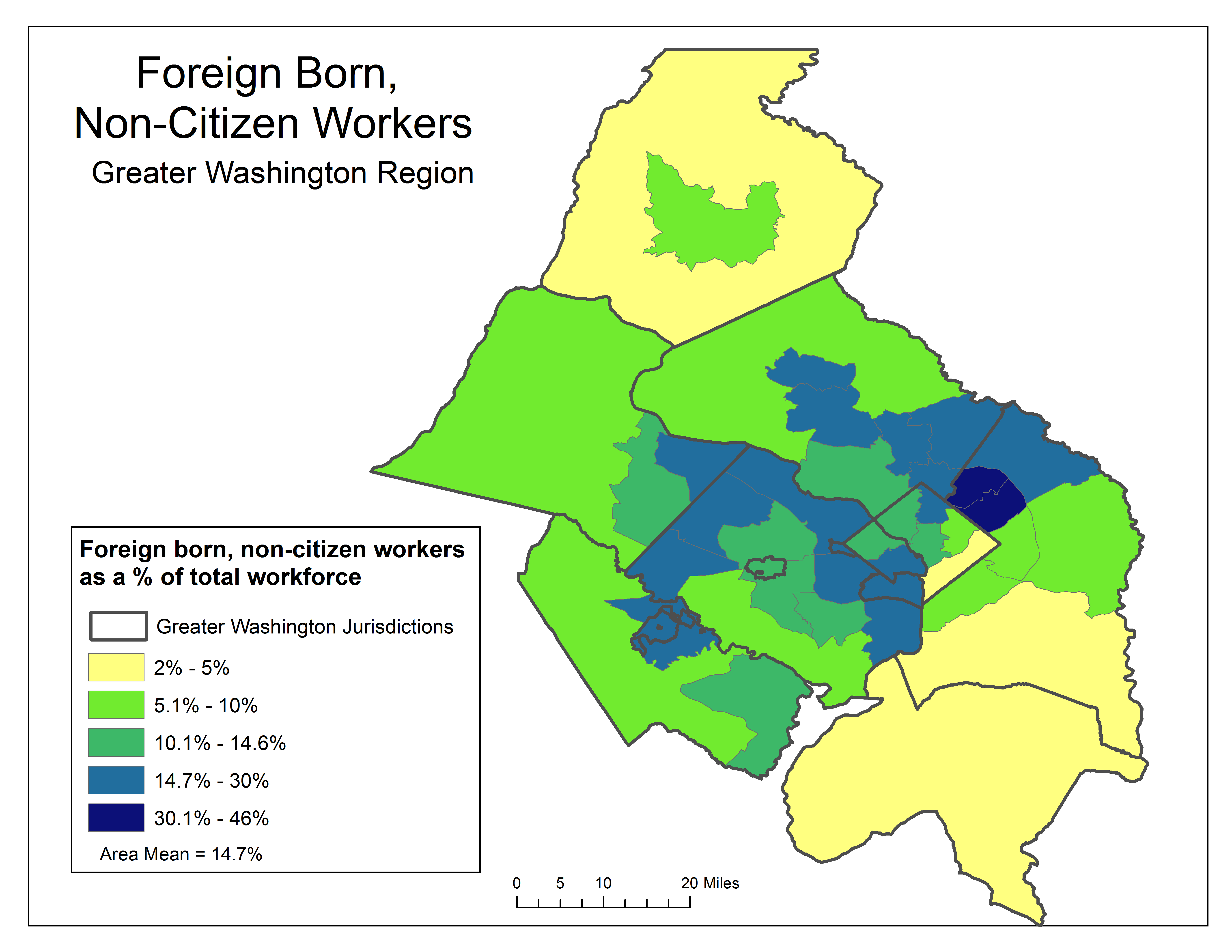
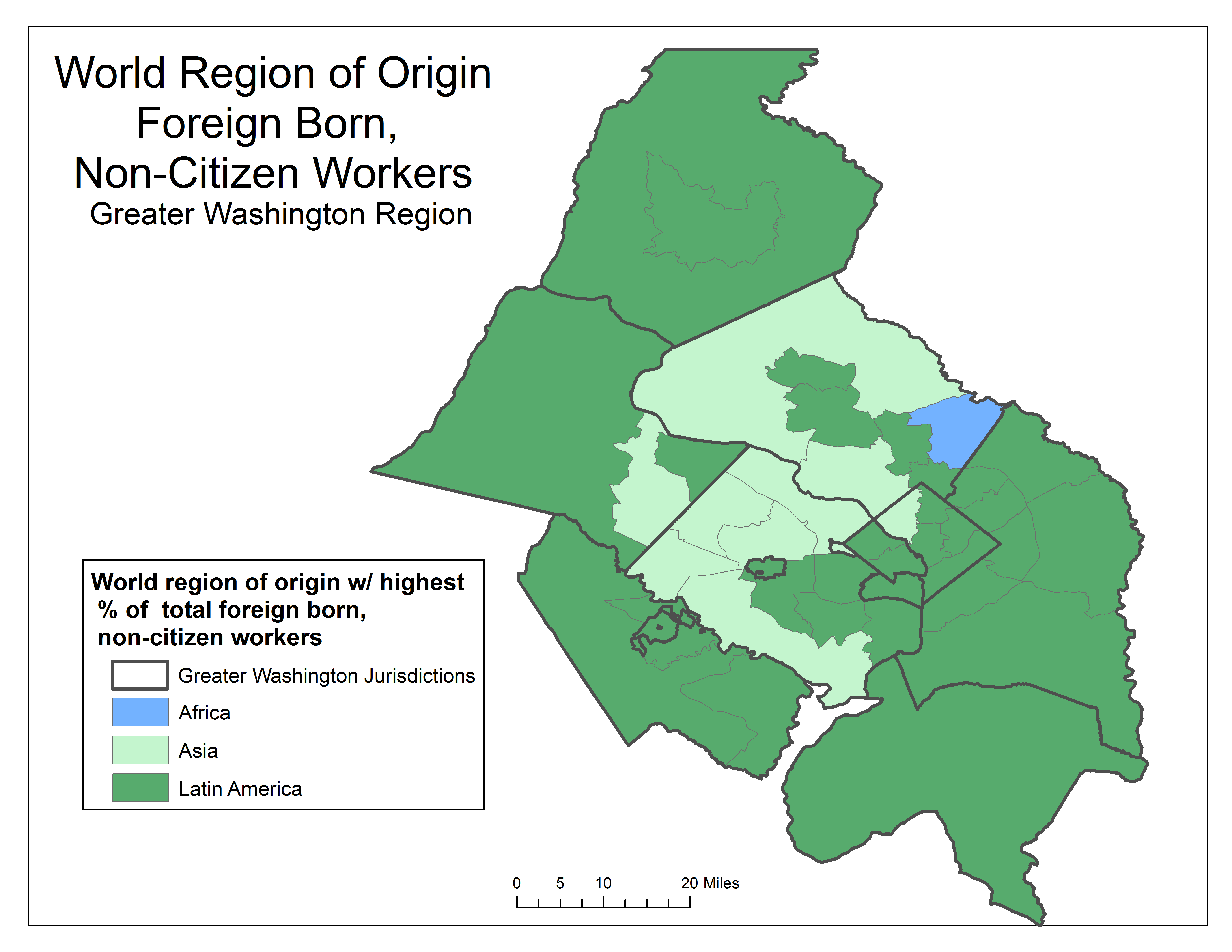
As a part of the new working paper series, the Center for Regional Analysis has put together an analysis and characterization of foreign-born, non-citizen workers in the Greater Washington region.

  • Foreign-born, non-citizen workers account for 462 ,000—or almost 15 percent—of the approximately 3.1 million workers in the Greater Washington regional workforce.
  • Less than 20 percent of Foreign-born, non-citizen workers arrived since 2010.
  • Almost 1 in 4 of the Greater Washington region’s foreign-born, non-citizen workers come from El Salvador, making it the region’s most common country of origin.
  • Employers in the construction and hospitality industries rely heavily on foreign-born, non-citizen workers.
    • Approximately half of the workers filling construction, and cleaning and maintenance occupations are foreign-born, non-citizens.
    • Roughly one-third of the region’s food service workers are foreign-born, non-citizens.
Read the full report here

Meeting the Housing Needs of Older Adults in Montgomery County

George Mason University’s Center for Regional Analysis partnered with Lisa Sturtevant and Associates and Neighborhood Fundamentals to assess the housing needs of seniors in Montgomery County.

The study of senior housing was performed with The Montgomery County Planning Department, part of The Maryland-National Capital Park and Planning Commission.

View the Study of Housing for Older Adults in Montgomery County.

The study was undertaken by the department’s Research and Special Projects Division in response to the county’s growing number of residents aged 55 and older – estimated to be nearly 288,000 people — and the housing challenges this population faces. Among the goals of the research are to quantify the supply of housing serving older adults in the county; document the characteristics of the senior population; assess current and future demand for senior housing – both the amount and preferred housing types; and recommend ways of preparing to meet growing senior housing needs.

Findings of Housing for Seniors Study

By 2040, one in five residents in Montgomery County will be 65 and older, and one out of three will be 55 and older. The unprecedented growth in the senior population suggests significantly growing housing and service needs for an aging population.

About 15.5 percent of households headed by someone 55 and older spend more than half of their incomes on housing costs each month. This number of severely cost-burdened households suggests unmet housing needs among older adults in Montgomery County. In addition to the need for affordable and accessible housing for very low income and the oldest residents, there is likely current unmet demand for smaller homes to serve the county’s older adult population.

Other findings include:

  • More seniors in Montgomery County will be renters in the years to come due to changing economic characteristics of older adult households.
  • The oldest seniors face the greatest challenges and their numbers are growing, but the vast majority of assisted living facilities in the county are not targeted to older adults with limited incomes.
  • Most older adults would like to age in place while living in their homes independently rather than relying on institutionalized care or family members.
  • Access to neighborhood amenities and services is important to aging in place.
  • Federal funding for senior housing programs is declining.

Recommendations for Housing for Seniors

Proposed strategies are based on an evaluation of current and future housing needs, the county’s current programs, and a review of programs and policies around the country. The strategies are also based on discussions among the Planning Department, Montgomery County Department of Housing and Community Affairs, Commission on Aging and local senior housing developers and operators, among others. The study includes the following recommendations:

  • Support proposed changes in the moderately priced dwelling unit (MPDU) program to support more affordable housing options for seniors.
  • Co-locate senior housing with community facilities and use publicly owned property to produce senior housing.
  • Address senior housing needs in the planning process.
  • Allow more diverse housing types in residential zones and improve the viability of accessory apartments for older adults.
  • Remove zoning and regulatory barriers to group homes and age-restricted housing.
  • Maintain a commitment to senior housing in Montgomery County’s affordable housing fund, the Housing Initiative Fund (HIF).
  • Create set-asides for older adults in the housing choice voucher and rental assistance programs.
  • Improve the effectiveness of homeowner and renter property tax exemptions and credits.
  • Fund emergency assistance to seniors at risk of eviction or homelessness.
  • Expand Montgomery County’s “Design for Life” program to educate developers about marketing opportunities and benefits of accessible housing and to offer additional incentives to include a higher number of accessible units in multi-family developments.
  • Support naturally occurring retirement communities and existing volunteer-led, senior villages.
  • Create a one-stop shop for senior housing programs and services.
  • Explore funding possibilities for senior housing through Maryland’s Medicaid waiver program.

Read the complete Senior Housing Study online.

DC Region Population Estimates and Components, 2016 – 2017

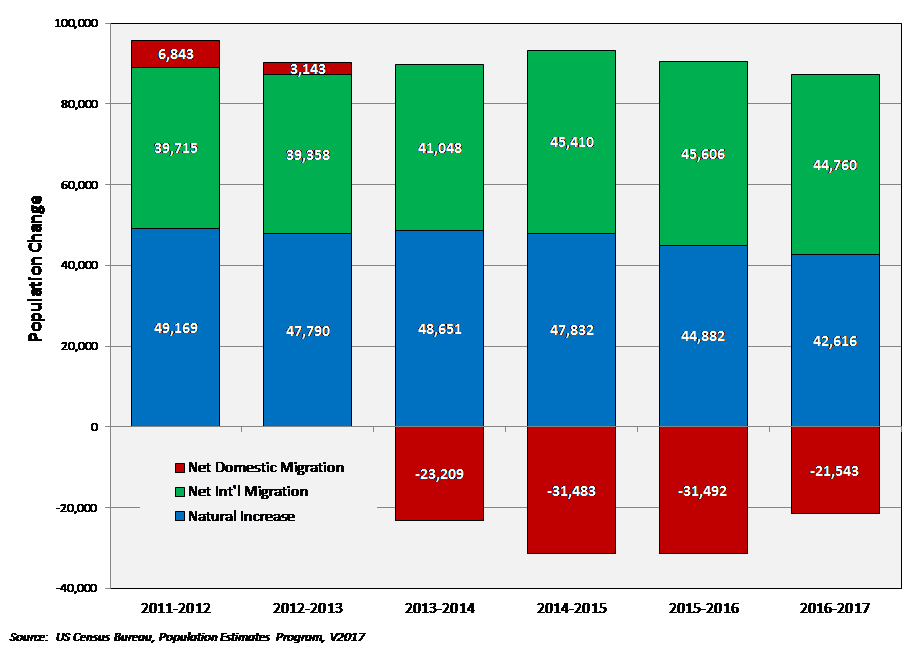
The US Census Bureau released the 2017 Population County and Metro/Micro Area Population Estimates. Between 2016 and 2017, the Washington-Arlington-Alexandria, DC-VA-MD-WV Metropolitan Statistical Area (Hence forth, the Washington Metro Area), increased its population by 65,908 between July 1, 2016 and July 1, 2017.1 This represents an increase of 1.1 percent, and continues the trend of relatively stable regional population growth; the region grew 1.0 percent between 2014 and 2015, and 1.0 percent between 2015 and 2016.

Read the full report here

Figure 1 shows that the region declined in two of the three components of population change. The region had less natural increase and less international migration between 2016 and 2017, than it did between 2015 and 2016. Perhaps most noteworthy for the region is the continued net domestic outmigration for the fourth consecutive year. Although not as large as in previous years, over 21,000 more domestic migrants left the Washington Metro Area than moved to the area.

GO Virginia Region 7 Plan

The Center for Regional Analysis is proud to support the efforts of the GO Virginia Initiative. CRA has been assisting the Region 7 GO VA Council in the creation of their Growth and Diversification Plan – a  strategic plan which will establish criteria that guide the selection of projects developed by the regions will effectively move the economy forward. The completed document is available here.

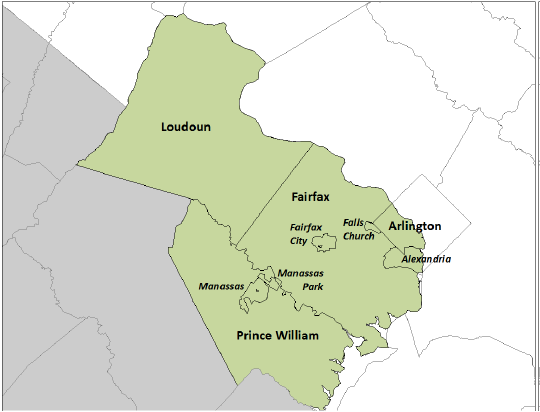
Region 7 includes the counties of Arlington, Fairfax, Loudoun, and Prince William and the cities of Alexandria, Fairfax, Falls Church, Manassas, and Manassas Park in Northern Virginia.

Other GO Virginia Support

In addition, CRA partnered with Old Dominion University and the Natelson Dale Group in the creation of the Growth and Diversification Plan for Region 5 (Hampton Roads). That report is available here.

In early Summer 2017, CRA was contracted by the Virginia Department of Housing and Community Development (DHCD) to compile baseline data for each of the seven GO Virginia Regions. The resulting data is available here in presentation and excel formats.

About GO Virginia

The Virginia Initiative for Growth and Opportunity in Each Region (GO Virginia) was initiated by Virginia’s senior business leaders to foster private-sector growth and job creation through state incentives for regional collaboration by business, education, and government. Recognizing the harsh effect of deep federal budget cuts on a Virginia economy that is overly dependent on public-sector jobs, they launched the GO Virginia campaign to work for regional cooperation on private-sector growth, job creation, and career readiness. For more information visit: http://www.govirginia.org/ or http://www.dhcd.virginia.gov/index.php/go-virginia.html